
Furniture Restaining vs. Painting: Which Treatment Actually Adds Value to Antiques?
You’ve inherited your grandmother’s mahogany dresser. The wood is solid, the craftsmanship remarkable, but the finish looks tired. Now you’re standing in your garage, paint can in one hand, wood stain in the other, wondering which path preserves—or destroys—the piece’s value.
This choice matters more than most homeowners realize. Make the wrong decision, and you could transform a $2,000 antique into a $50 garage sale reject. Choose wisely, and you might restore both beauty and market appeal.
The answer isn’t simple. It depends on your furniture’s age, maker, condition, and ultimately what you plan to do with it. Let’s break down exactly when furniture restaining adds value, when painting makes sense, and when you should leave both options on the shelf.
Understanding What Actually Defines “Value”
Before we pit restaining against painting, we need to establish what furniture value actually means. Value isn’t just a number—it’s measured three different ways.
Market value is what dealers and collectors will pay based on rarity, condition, and demand. An original-condition Duncan Phyfe sideboard might sell for $22,500 at auction. Paint that same piece, and you’ve likely destroyed five figures of value.
Functional value asks whether the piece serves your daily life. That scratched coffee table holding your morning cups has real worth if you’re using and enjoying it, regardless of what an appraiser might say.
Sentimental value often trumps both. If your mother’s dining set connects you to family memories, its emotional worth may justify any refinishing choice that keeps it in your home.
The critical question is which type of value matters most for your specific piece. Selling to collectors? Market value wins. Keeping it for your grandchildren? The other two take precedence.
When Furniture Restaining Preserves and Enhances Value
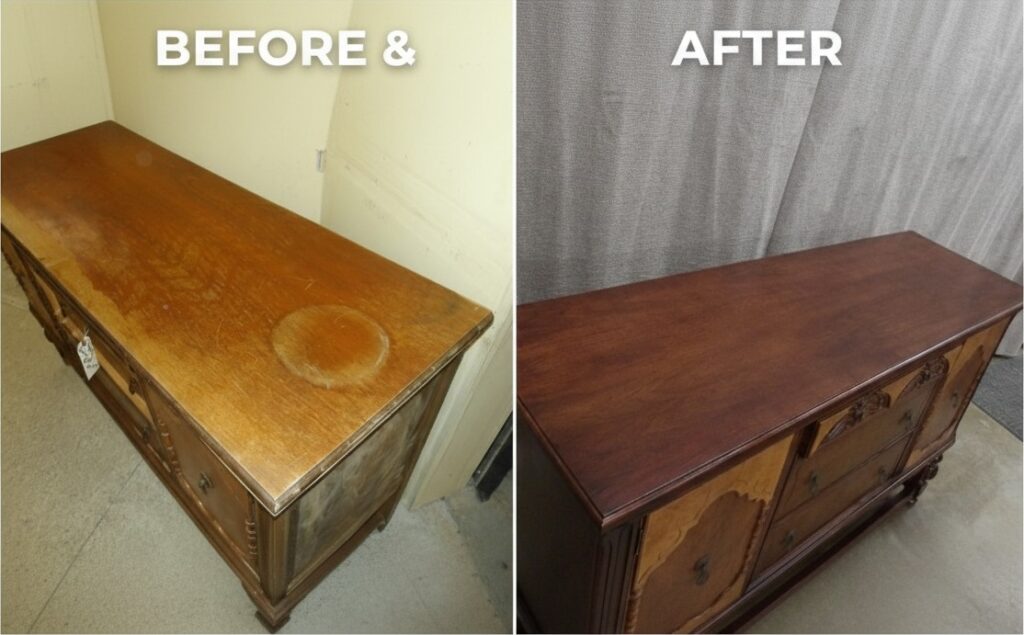
Restaining shines when you’re working with quality pieces where the wood itself has inherent beauty. The process strips away old, damaged finish and applies fresh stain that penetrates the wood, bringing out natural grain patterns while allowing the texture to remain visible and touchable.
Solid wood furniture from makers like Baker, Drexel, Henredon, and Thomasville responds beautifully to restaining. These brands used premium hardwoods—oak, walnut, mahogany, cherry—with grain patterns that become focal points under proper staining. Covering these woods with paint erases the very characteristics that made the furniture valuable in the first place.
The restaining process preserves authenticity while addressing surface damage. For antique purists and serious collectors, maintaining wood’s natural appearance signals respect for the piece’s original design intent. A professionally restained Victorian sideboard still reads as a Victorian sideboard. The same piece painted chalky white becomes something else entirely.
Market data backs this up. Furniture dealers consistently pay more for pieces with quality wood finishes versus painted surfaces. The exception? When existing finish is so deteriorated that wood quality is no longer visible. In those cases, expert restaining can actually recover lost value.
Consider a mid-century modern credenza with beautiful walnut veneer. Left with scratched, water-damaged finish, it might fetch $150. Properly stripped and restained to reveal that walnut’s warmth and grain? The same piece could command $800 or more. The wood was always valuable—restaining simply revealed it again.
Certain wood types demand stain over paint. Exotic species like mahogany, teak, rosewood, and burled woods feature figure and color variations that constitute much of their appeal. Paint obliterates these characteristics permanently. Even if you later strip the paint, chemical residue settles into wood pores, making true color restoration nearly impossible.
The Restaining Process: What Makes It Work
Understanding how restaining actually works helps explain why it preserves value when done correctly. The process respects the wood’s natural properties rather than covering them.
Professional restaining starts with complete finish removal. Chemical strippers dissolve old varnish, polyurethane, or previous stain layers. This step requires patience—rushing it means leftover finish that shows through new stain as blotchy patches. Once stripped to bare wood, thorough sanding smooths the surface, starting with coarse grits to remove imperfections and finishing with fine paper (220-grit typically) for a smooth foundation.
Wood conditioner comes next for certain species. Pine, cherry, and other softwoods absorb stain unevenly without pre-treatment, creating dark splotches in open grain areas. Conditioner regulates absorption for consistent color. Skip this step, and even premium stain produces amateur-looking results.
The actual stain application involves more technique than you’d expect. Oil-based stains penetrate deeply but require mineral spirits cleanup and produce strong odors. Water-based options offer easier cleanup and lower fumes but can raise wood grain slightly, requiring additional sanding. Gel stains provide maximum color control due to their thickness and won’t run on vertical surfaces.
Application method matters. Brushing works for flat surfaces but can leave marks in grain. Wiping with cloth gives more control and produces hand-rubbed appearance preferred by antique enthusiasts. The stain sits briefly (minutes, not hours), then excess gets wiped away. This waiting period determines final color—longer means darker.
Multiple thin coats beat one heavy application every time. Two or three coats allow color building without obscuring grain. Between coats, light sanding with very fine paper (320-grit) ensures smooth adhesion.
Final protective finish seals the work. Polyurethane provides durable protection for daily-use pieces. Traditional furniture oil gives authentic period appearance for antiques. Wax finishing offers the most historically accurate look but requires more maintenance.
This entire process typically spans three to five days due to drying requirements, with actual hands-on work totaling six to eight hours for an average dresser. Rushing any step compromises the outcome.
When Painting Makes More Sense Than Restaining
Paint isn’t the enemy of antique furniture—incorrect paint is. Certain scenarios call for painting over restaining, and making that call correctly can actually preserve a piece that restaining couldn’t save.
Start with condition assessment. When veneer peels beyond repair, when particle board rather than solid wood forms the substrate, when water damage has stained the wood black, or when previous refinishing attempts created irreversible damage—painting may be the only viable option. At that point, you’re not destroying value because condition has already destroyed it.
Common wood pieces without exceptional characteristics benefit from paint. Factory-made oak dressers from the 1960s or pine furniture from the 1980s often lack the grain figure that makes restaining worthwhile. These pieces were ubiquitous in their era and remain abundant now. A skillful paint job in current design trends might actually increase appeal and value for modern buyers who prioritize aesthetics over wood purity.
Style and function considerations matter too. That heavy, dark wood entertainment center from 1995 doesn’t fit modern flat-screen TVs or current design preferences. Restaining keeps it dark and heavy. Quality paint in lighter tones plus hardware updates can transform it into a media console that works with today’s technology and taste. The piece gains value by gaining usefulness.
Interior designers frequently advocate for painting larger pieces in lighter colors to reduce visual weight in rooms. A massive oak armoire restained dark brown overwhelms a bedroom. The same piece painted in soft gray or creamy white maintains its functional storage while becoming a design asset rather than eyesore. For pieces you plan to use rather than sell, this functional improvement represents real value gain.
Mixed-material furniture—pieces combining wood with laminate, metal, or glass—often looks better painted since stain only works on real wood sections. Paint unifies the piece’s appearance instead of highlighting its mismatched materials.
Family heirlooms with high sentimental value but low market value give you freedom. If Aunt Betty’s dresser means nothing to collectors but everything to you, paint it turquoise if that’s what makes you use and love it. A painted heirloom displayed in your home beats an unpainted one gathering dust in the garage.
The critical distinction is understanding what you’re working with before you commit. Laminate furniture that resembles wood grain is a paper photograph over composite board—it can’t be restained at all. Veneer furniture features a thin real-wood layer over substrate, and it can be restained if the veneer remains intact, but it’s tricky work since sanding through that thin layer ruins the piece.
The Market Value Equation: Numbers Don’t Lie
Real estate agents say location determines property value. In antique furniture, wood type and originality determine value. Let’s examine what actual market data reveals about restaining versus painting decisions.
An unpainted antique dresser in original condition with quality wood might appraise at $1,250. Paint it, and that same piece drops to $50 in an antique dealer’s estimation. This dramatic loss stems from paint covering the wood characteristics dealers and collectors prize—grain pattern, patina, original finish.
Conversely, a damaged piece already worth only $50 might gain value painted. If deteriorated finish makes wood appear unappealing and paint creates fresh, stylish appearance, that $50 piece could become a $150 sale. But this value gain assumes professional execution. Amateur paint jobs with drips, inadequate coverage, or poor color choices reduce value further.
The antique market strongly prefers original finishes, even imperfect ones. A piece showing minor wear in original finish consistently sells for more than the same piece perfectly refinished. This preference for originality means even expert restaining can decrease value for truly rare antiques—pieces like Chippendale originals, verified Stickley works, or documented museum-quality furniture.
Age provides a rough guideline. Pieces over 100 years old (true antiques) generally lose value from any refinishing. Vintage pieces from 1920s to 1990s can often be refinished without value loss, especially if condition was already poor. Modern used furniture gains value from proper refinishing since it’s being restored rather than altered.
Brand names affect the equation. Lesser-known manufacturers’ pieces can be refinished freely. Recognized makers like Henredon, Drexel, or Baker hold value better with original finish, but restaining typically does less damage than painting since wood quality remains visible. Furniture from acclaimed designers or limited production runs should never be refinished without professional appraisal first.
Current market trends also influence value. Mid-century modern pieces with teak or walnut currently command premium prices, making original finish preservation critical. Traditional dark wood furniture faces lower demand, meaning restaining to lighter tones might actually increase salability even if it reduces antique market value.
The resale platform matters too. Antique dealers and high-end consignment shops heavily discount refinished pieces. Online marketplaces like Facebook Marketplace or Craigslist care less about original condition—buyers there often prefer fresh, stylish appearance over authenticity. A restained piece might fetch higher prices online than painted, but both likely sell better through informal channels than formal antique markets.
Wood Types and Their Response to Different Treatments
Not all wood reacts equally to restaining or painting. Understanding your furniture’s wood species helps predict results and choose the best treatment path.
Hardwoods with dramatic grain (oak, ash, elm) showcase beautiful patterns under stain but also show every surface imperfection. These woods benefit most from expert restaining since their visual appeal comes from grain figure. Paint on these species eliminates their primary attractive quality.
Exotic hardwoods (mahogany, walnut, teak, rosewood) feature rich natural colors and often display figure like curly grain or bird’s eye patterns. These woods were expensive when new and remain the most valuable. Restaining enhances their natural beauty. Painting them constitutes value destruction in virtually every scenario unless severe damage has already compromised the wood.
Fine-grain hardwoods (maple, birch, beech) have subtle grain that doesn’t compete for attention. These woods can be successfully painted or stained depending on condition and style goals. Maple particularly takes paint well due to its smooth, even texture.
Softwoods (pine, cedar, fir) present challenges for staining. Their grain varies dramatically in density, causing blotchy stain absorption without careful conditioning. Pine furniture was often originally painted precisely because even staining proves difficult. Pine pieces may actually gain value from quality paint versus mediocre stain work.
Veneer furniture requires special consideration. The thin wood layer can be either premium (walnut, mahogany) or ordinary (oak, birch). Premium veneer deserves careful restaining by professionals. Damaged veneer often can’t be restained successfully, making painting the practical choice. The key is determining veneer quality and condition before deciding.
Plywood and composites that appear on furniture backs or bottoms can’t be stained meaningfully. If visible, these elements need painting for finished appearance, which might justify painting the entire piece for visual consistency.
Warning Signs That You Shouldn’t Refinish At All
Sometimes the best treatment is no treatment. Several red flags indicate you should leave a piece as-is or consult professionals before proceeding.
Maker’s marks or manufacturer labels signal potential value. Check drawer bottoms, cabinet backs, and underneath surfaces for stamps, tags, or signatures. Brands like Globe-Wernicke, Stickley, Heywood-Wakefield, or Knoll indicate collectible pieces. Even finding an old auction house tag or antique shop sticker suggests someone once considered the piece valuable enough for formal sale. These discoveries warrant professional appraisal before refinishing.
Historical patina is the aged appearance wood develops over decades—subtle color variations, worn edges in logical places, oxidation darkening. Collectors value patina because it proves age and authenticity. You can’t fake real patina. Remove it through aggressive refinishing, and you’ve erased evidence of the furniture’s history. If your piece shows genuine age-related wear rather than damage, that patina likely adds value. Restaining destroys it. Painting buries it.
Original hardware matters more than most people realize. Brass pulls, ceramic knobs, or cast iron hinges from a piece’s original production add authenticity and value. Modern replacement hardware screams “refinished” to knowledgeable buyers. Before refinishing, photograph and preserve original hardware even if you temporarily replace it.
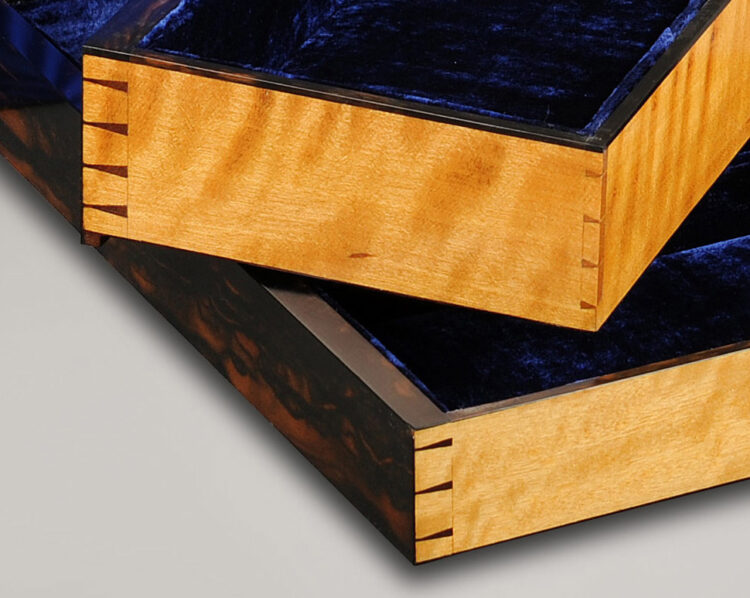
Hand-cut dovetail joints visible in drawer construction indicate quality craftsmanship and often genuine age. Machine-cut dovetails (perfectly uniform and evenly spaced) came into use later and, while still quality construction, indicate mass production. True hand-cut dovetails suggest a piece that deserves professional evaluation before refinishing.
Rare wood species or construction techniques require expert assessment. Inlay work, marquetry, carved details, or gilding are specialized elements that amateur refinishing easily damages. The complexity of restoration for these features often exceeds their current market value, but damaging them during DIY refinishing eliminates any future restoration possibility.
If you discover any of these characteristics, pause your refinishing project. Photograph the markers, research comparable pieces online, and consult with reputable antique dealers or professional furniture restorers. An hour of investigation might save you from destroying significant value—or reveal you’re free to proceed because the piece isn’t as special as it appeared.
Professional Restaining vs. DIY: Where to Draw the Line
The gap between professional furniture restaining and DIY attempts often spans hundreds or thousands of dollars in final value. Understanding where your skills honestly fall determines whether you should tackle the work yourself.
Professional furniture restorers bring specialized knowledge that hobbyists typically lack. They can identify wood species on sight, which dictates proper staining technique. They understand how different wood ages and which cleaning methods remove grime without damaging patina. They stock multiple stain types and know which works best for specific projects rather than defaulting to whatever the hardware store carries.
Equipment makes a difference too. Professionals use proper ventilation systems that handle chemical fumes safely. They own spray equipment that produces glass-smooth finishes impossible with brushes. Their sanding tools include detail sanders for carvings and moldings that cordless palm sanders can’t navigate.
Technique comes from repetition. Stripping furniture without gouging wood, achieving even stain color on large surfaces, hand-rubbing finish to specific sheen levels—these skills develop over hundreds of projects. Your grandmother’s dresser is your first attempt. For a restorer, it’s project number 437 this year.
The cost-benefit analysis depends on the piece’s value and complexity. A simple mid-century modern table with minimal details and standard dimensions makes a reasonable DIY project. Complex pieces with carvings, inlay work, or historical significance justify professional costs. If the piece is worth $2,000 and professional restaining costs $500, that expense protects your investment. If the piece is worth $200 and you can competently DIY for $50 in materials, proceed carefully.
Certain projects should always go to professionals: pieces with severe damage requiring structural repair; furniture with veneer that’s lifting or cracking; antiques where you’re uncertain about value; any item you’d be devastated to damage. The emotional cost of ruining a family heirloom exceeds any dollar savings from DIY.
Projects you can reasonably attempt yourself include: solid wood pieces from 1950-2000 without special significance; furniture already showing refinishing attempts that eliminated antique value; simple designs without intricate details; pieces where you’re prepared to accept learning-curve mistakes.
Start small. Your first restaining project shouldn’t be the dining table that seats twelve. Try a side table or single chair. Learn the process on something replaceable before advancing to irreplaceable pieces.
Making Your Decision: A Practical Framework
You’ve absorbed the information. Now you need a decision framework for your specific piece. Here’s how to think through it systematically.
Step 1: Identify what you’re working with. Remove drawers and examine construction. Look for maker’s marks. Note the wood type if you can identify it. Check online for similar pieces to gauge value. Spend an hour on research rather than jumping straight to refinishing.
Step 2: Define your goal. Are you keeping this piece forever? Selling it soon? Using it daily? Different goals drive different choices. A keeper piece serves you best when finished according to your taste. A selling piece needs finishing that maximizes market appeal.
Step 3: Assess condition honestly. Is the wood itself in good shape under the damaged finish? Or has water, heat, or damage penetrated the wood? Surface-level finish problems favor restaining. Deep wood damage might require painting or professional restoration.
Step 4: Consider the wood. If you’ve identified the species, does it have characteristics worth showcasing? Dramatic grain, rich natural color, or figure that would look stunning under stain argues for restaining over painting. Bland, common wood with minimal grain interest can go either direction based on other factors.
Step 5: Evaluate your skill level realistically. Have you completed similar projects successfully? Do you have proper ventilation for working with strippers and stains? Can you commit to the full process including proper drying time? Overestimating your abilities leads to expensive mistakes.
Step 6: Run the numbers. What’s the piece worth currently? What would professional restaining cost? What would it be worth after professional work? If a $300 piece costs $400 to restore professionally, that math doesn’t work unless sentimental value justifies the investment. If a $2,000 piece costs $500 to restore professionally, that’s sound economics.
Step 7: Make the call with full awareness. If you choose restaining, commit to doing it right—proper stripping, adequate sanding, quality stain, and protective finish. If you choose painting, acknowledge you’re likely reducing antique market value in exchange for aesthetic or functional gains that matter more to you.
No universal rule exists because every piece combines unique factors. Your grandmother’s dresser differs from your neighbor’s identical model because yours carries family history. Market value and sentimental value rarely align. The best choice balances all considerations rather than defaulting to arbitrary rules.
The Cincinnati Advantage: Local Expertise for Better Decisions
Making smart choices about furniture restaining versus painting becomes easier when you have access to experienced professionals who’ve seen it all. Since 1978, we’ve evaluated thousands of pieces, advised countless homeowners, and developed deep expertise in matching treatment to furniture type.
Every piece tells a story through its construction, wood, wear patterns, and details. Reading that story correctly determines whether restaining preserves value or painting makes more sense. That’s where our decades of experience protect your investment and your heirlooms.
We’ve rescued furniture from well-intentioned DIY disasters. We’ve identified valuable pieces that owners nearly painted. We’ve also recommended painting for pieces where restaining would waste money. Our reputation for honest assessment comes from prioritizing right solutions over easy sales.
The Cincinnati area has remarkable furniture history—legacy pieces from Henredon, Drexel, and other quality manufacturers that deserve thoughtful treatment. We understand local market preferences, what sells well in this region, and how Greater Cincinnati buyers value different furniture styles.
Looking at that piece and still not sure whether to restain, paint, or leave it alone? That’s exactly why professional consultation matters. Check out our furniture restoration service to explore your options, or call us at (513) 771-6389 to discuss your specific furniture. We’ll give you an honest assessment based on the piece itself, not what we hope to sell you. Sometimes the best advice is to leave it alone. Sometimes it’s time for expert restaining. And sometimes, yes, paint is the right answer. We’ll help you figure out which path serves your furniture and you—best.
 Previous Post