
Vintage Chair Restoration: Choosing Reupholstery Fabric That Lasts
Restoring a vintage chair takes more than just appreciation for its history—it requires selecting upholstery fabric that honors the piece while standing up to modern use. The fabric you choose will determine whether your beautifully restored chair remains a functional centerpiece for decades or shows premature wear within a few years.
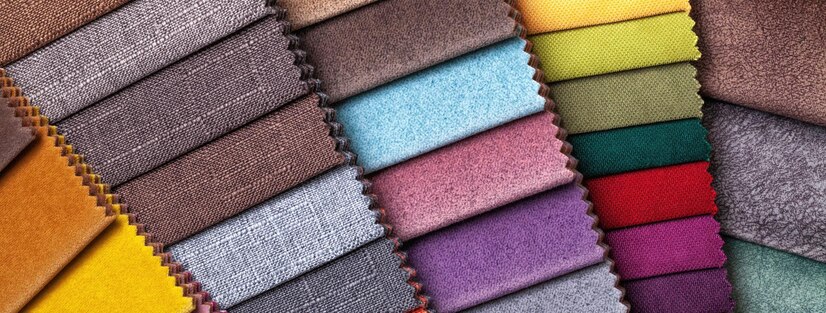
The difference between a successful vintage chair reupholstery project and a disappointing one often comes down to fabric selection. While aesthetics matter, durability, maintenance requirements, and historical appropriateness all play critical roles in ensuring your investment pays off.
Understanding Fabric Durability: The Double Rub Test
Before falling in love with a fabric’s color or pattern, you need to understand how it will perform. The upholstery industry uses a standardized measurement called the “double rub test” to predict fabric longevity.
The Wyzenbeek test, the North American standard, measures how many times cotton duck fabric can rub back and forth across your chosen material before showing wear. Each complete motion counts as one double rub. Think of it as simulating someone sitting down and standing up from your vintage chair.
Here’s what the numbers mean for your vintage chair reupholstery project:
Under 15,000 double rubs: Suitable only for decorative chairs that rarely get used. If your vintage piece will sit in a formal room as a showpiece, fabrics in this range might work.
15,000-30,000 double rubs: This is the minimum threshold for chairs used regularly. A dining chair you use daily needs fabric in at least this range.
30,000-50,000 double rubs: Heavy-duty residential use. Perfect for vintage chairs in family rooms or frequently used dining areas.
50,000+ double rubs: Commercial-grade durability. These performance fabrics can handle constant use while maintaining their appearance. Many modern performance fabrics exceed 100,000 double rubs.
According to industry standards, a fabric rated at 15,000 double rubs can withstand someone sitting in it four times daily for an entire decade before showing visible wear. That’s reassuring when you’re investing in vintage chair reupholstery.
The rub count alone doesn’t tell the whole story, though. A loosely woven fabric might achieve a high rub count but pill excessively. A tightly woven fabric with a lower count might actually perform better in real-world conditions. This is why examining the fabric closely and understanding its construction matters as much as checking the numbers.
Natural vs. Synthetic Fibers: What Works Best for Vintage Chairs
The fiber content of your reupholstery fabric affects everything from how it feels to how long it lasts. Each material brings distinct advantages and challenges to vintage chair restoration.
Cotton and Cotton Blends
Cotton offers breathability and comfort that synthetic fabrics struggle to match. It takes dye beautifully, producing rich, saturated colors perfect for period-appropriate vintage chair reupholstery. The natural fiber feels pleasant against skin, making chairs comfortable during long dinners or conversations.
However, pure cotton stains easily without treatment and tends to fade with sun exposure. Modern cotton blends solve many of these problems by combining cotton’s comfort with synthetic durability. Look for cotton-polyester blends that maintain cotton’s soft hand while improving stain resistance and longevity.
For vintage chairs in casual settings where comfort matters more than formality, treated cotton blends rated at 30,000+ double rubs offer an excellent middle ground.
Linen
Linen brings an elegant, textured appearance that complements many vintage chair styles, particularly French Provincial and mid-century modern pieces. The fabric has natural luster and resists pilling better than cotton. It’s also stronger than cotton, making it surprisingly durable for vintage chair reupholstery.
The challenges? Linen wrinkles easily, giving chairs a relaxed, lived-in appearance some homeowners love and others can’t stand. It also requires more careful maintenance than synthetic alternatives. Modern linen-look polyester fabrics capture linen’s aesthetic while offering easier care and better wrinkle resistance.
Wool
Wool deserves more consideration for vintage chair reupholstery than it typically receives. This natural fiber is naturally flame-resistant, water-resistant, and temperature-regulating. Wool keeps you cool in summer and warm in winter—an underappreciated benefit for chairs that get regular use.
Quality wool fabrics are exceptionally durable, often exceeding 50,000 double rubs. They resist staining better than cotton and recover well from compression, maintaining their appearance even in high-use areas. Wool works particularly well for mid-century modern and Victorian-era vintage chairs where its refined texture suits the period aesthetic.
The main considerations are cost (quality wool fabrics run higher than many alternatives) and potential moth damage if the chair sits unused for extended periods.
Velvet: Then and Now
Velvet has graced vintage chairs for centuries, and modern velvet options have evolved dramatically. Traditional silk velvet, while luxurious, poses challenges for regular use. It crushes easily, shows water spots, and requires professional cleaning—lessons many homeowners learn after choosing it for their vintage chair reupholstery.
Modern performance velvets change the game entirely. Polyester-based velvets can achieve double rub ratings of 100,000 or higher while maintaining velvet’s characteristic lush appearance. These fabrics resist staining, clean easily with water, and don’t crush like traditional velvet.
Cotton velvet offers a middle option—softer than performance velvet but more durable than silk. For vintage chairs, especially Victorian and Art Deco pieces where velvet suits the period, modern performance velvets provide authentic appearance with contemporary practicality.
Leather and Faux Leather
Leather remains one of the most durable options for vintage chair reupholstery, developing character and patina over decades of use. Quality leather can last the lifetime of the chair and beyond with proper care. It’s naturally stain-resistant (spills wipe away easily) and extremely durable.
Real leather requires regular conditioning to prevent drying and cracking, and it’s the most expensive upholstery option. It also has a specific aesthetic that suits some vintage chair styles better than others—perfect for Chesterfield or library chairs, less appropriate for delicate French Provincial pieces.
Faux leather has improved tremendously in recent years. High-quality vinyl can convincingly mimic leather’s appearance while offering easier maintenance and lower cost. Modern faux leather resists scratches and stains better than genuine leather, though it lacks real leather’s ability to develop desirable patina over time.
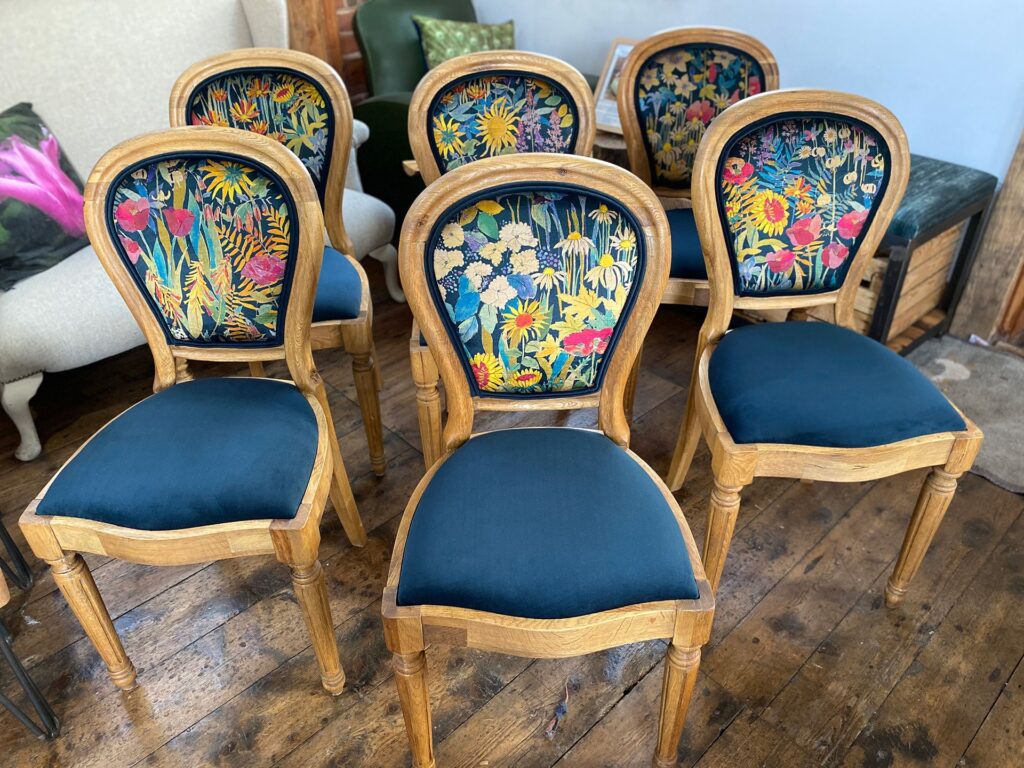
Performance Fabrics: Modern Solutions for Vintage Chairs
Performance fabrics represent the biggest advancement in upholstery in recent decades. These technologically enhanced materials bring commercial-grade durability to residential vintage chair reupholstery while maintaining residential comfort and style.
How Performance Fabrics Work
Unlike traditional fabrics treated with topical stain guards that wash away over time, performance fabrics build protection into the fiber structure itself. The stain resistance, liquid repellency, and durability are permanent characteristics of the material.
Crypton, Revolution, and Sunbrella lead the performance fabric category, each approaching the problem differently:
Crypton uses a proprietary treatment that creates a moisture barrier while remaining breathable. Liquids bead on the surface, giving you time to blot spills before they penetrate. The fabric also resists odor-causing bacteria—a significant advantage for dining chairs or frequently used pieces.
Revolution fabrics are woven from solution-dyed olefin yarn that’s inherently stain-resistant. No chemical treatments necessary. These fabrics resist fading, don’t pill, and can be cleaned with bleach without damage—even dark colors.
Sunbrella, originally designed for outdoor use, has expanded into indoor applications. These acrylic fabrics resist staining, mildew, and fading exceptionally well, making them ideal for vintage chairs near sunny windows.
When Performance Fabrics Make Sense
Not every vintage chair reupholstery project needs performance fabric, but certain situations call for it:
- Dining chairs used daily, especially with children
- Chairs positioned near sunny windows where fading concerns exist
- High-use seating in family rooms
- Light-colored fabrics where staining would be immediately visible
- Households with pets
- Vintage chairs valuable enough that you want maximum protection
The trade-off is feel. Performance fabrics often feel slightly more synthetic than natural materials, though the gap narrows each year as manufacturers improve their products. Many homeowners find the peace of mind worth the slight difference in hand feel.
Matching Fabric to Your Vintage Chair’s Era
Choosing historically appropriate fabric enhances your vintage chair’s authenticity while ensuring the restoration looks intentional rather than accidental.
Victorian Era (1837-1901)
Victorian chairs typically featured rich, dark fabrics in bold patterns. Damasks, brocades, and heavy velvets in burgundy, forest green, navy, and gold suited the period’s love of opulence. Modern jacquards and performance velvets can capture this aesthetic while offering contemporary durability.
Floral patterns, particularly large-scale florals, work well on Victorian pieces. The fabrics should feel substantial—lightweight materials look out of place on these typically heavy, carved chairs.
French Provincial (1700s)
French Provincial furniture came from French countryside rather than royal courts, giving it a lighter, airier aesthetic than its palace-inspired cousins. Appropriate fabrics include ivory damasks, striped jacquards, and subtle florals in cream, pastel blue, soft pink, and other gentle colors.
The fabrics should complement the furniture’s painted finishes rather than compete with them. Linen or linen-look fabrics work beautifully on these pieces, as do textured neutrals that add interest without overwhelming the chair’s lines.
Mid-Century Modern (1945-1969)
Mid-century chairs often featured clean-lined silhouettes that showcase fabric rather than elaborate carving. This era embraced bold geometric patterns, textured weaves, and solid colors in both vibrant and neutral palettes.
Boucles, nubby wovens, and textured solids complement Eames-era chairs perfectly. The fabric should have visual interest through texture or pattern rather than fussy detailing. Modern performance fabrics in geometric patterns or solid jewel tones capture the period aesthetic while meeting contemporary durability standards.
Art Deco (1920s-1930s)
Art Deco embraced geometric patterns, luxurious materials, and bold contrasts. Velvets in rich jewel tones, geometric jacquards, and even leather suits this period. The fabrics should feel sophisticated and slightly glamorous.
Modern velvet performance fabrics excel on Art Deco pieces, providing the luxe appearance the period demands with durability for actual use.
Practical Considerations: Lifestyle and Use Patterns
Your daily life should drive fabric selection as much as historical accuracy or aesthetic preference.
High-Traffic Scenarios
If your vintage chairs see daily use—dining chairs pulled out multiple times daily, desk chairs in active home offices, or family room seating—prioritize durability above all else. Look for fabrics rated at 50,000+ double rubs, preferably with stain-resistant properties.
Darker colors or medium-value prints hide minor wear and small stains better than light solids. Pattern, particularly small-to-medium scale patterns, disguises imperfections more effectively than solid colors.
Formal Settings
Vintage chairs used occasionally in formal living rooms or guest rooms can handle more delicate fabrics. This is where you can indulge in that silk velvet or delicate damask if it suits the piece. Just be honest about actual use—”rarely used” chairs often see more action than homeowners predict.
Households with Children and Pets
This scenario demands performance fabrics. The investment in vintage chair reupholstery is significant enough that you want protection from juice boxes, muddy paws, and unexpected accidents.
Look for fabrics that clean with water alone or mild soap. Crypton and Revolution fabrics excel here, as do quality faux leathers that wipe clean effortlessly. Many performance velvets now feel softer than traditional upholstery fabrics while offering superior stain resistance.
Color and Pattern Selection Strategy
Beyond durability and fiber content, color and pattern affect how long your vintage chair reupholstery looks fresh.
The Longevity Factor
Trendy colors and patterns date quickly. That fabric featuring this year’s Pantone color might look tired in three years, long before the material shows physical wear. If you can afford to reupholster every few years, embrace trends. Otherwise, consider more timeless options.
Classic patterns—stripes, small geometrics, traditional florals, solid textures—age gracefully. They feel current across decades rather than dating themselves to a specific moment.
Neutral colors provide the longest runway, though they’re not the only option. Deep jewel tones, classic navies, and heritage greens also transcend trends. The key is avoiding colors that feel distinctly “of the moment.”
Visual Practicality
Light colors require either exceptional fabric performance or low use expectations. Cream linen on a dining chair sounds beautiful until the first wine spill. If you love light colors, invest in top-tier performance fabrics that can handle the maintenance requirements.
Medium values—grays, taupes, muted blues, sage greens—offer the best balance between visual appeal and practical maintenance. They show less dirt than white while avoiding the heaviness of very dark colors.
Patterns hide multitudes. A small-scale pattern disguises minor stains, slight fading, and normal wear far better than solid colors. This doesn’t mean abandoning solids—textured solids like basketweaves or nubby linens provide visual interest while offering the disguising properties of pattern.
Fabric Weight and Weave
The fabric’s construction affects durability as much as fiber content.
Understanding Fabric Weight
Upholstery fabrics are typically categorized as lightweight, medium-weight, or heavyweight. For vintage chair reupholstery, medium to heavyweight fabrics generally perform better.
Lightweight fabrics may seem appealing for their drape and softness, but they often lack the structural integrity needed for chairs that get regular use. They’re more prone to sagging, stretching, and showing wear patterns.
Heavyweight fabrics provide the best long-term performance but can feel stiff or bulky. Medium-weight fabrics offer the sweet spot for most applications—substantial enough to wear well while maintaining comfort.
Weave Patterns
Tight weaves typically outlast loose weaves. The thread count matters—higher thread counts generally indicate more durable fabrics that resist snagging and show less wear over time.
Jacquard weaves create patterns through the weaving process rather than printing, offering excellent durability and visual interest. These fabrics resist fading better than printed materials since the pattern is structural rather than surface-applied.
Plain weaves (where threads cross in a simple over-under pattern) offer maximum durability but minimal visual interest. Basket weaves provide texture while maintaining good durability. Satin weaves create lustrous surfaces but are more prone to snagging—better for formal pieces with occasional use.
Care and Maintenance Requirements
Even the most durable fabric requires proper care. Understanding maintenance requirements before selecting fabric prevents buyer’s remorse.
Cleaning Codes
All upholstery fabrics carry cleaning codes that dictate proper care:
W (Water-based cleaning): Can be cleaned with water-based products. Most modern performance fabrics fall here, offering easy maintenance with simple soap and water.
S (Solvent-based cleaning): Requires dry-cleaning solvents. More challenging for homeowners to maintain, often necessitating professional cleaning.
WS (Water or Solvent): Can be cleaned with either method, offering flexibility.
X (Vacuum only): No wet cleaning allowed. These fabrics are rare in upholstery but appear occasionally in very delicate materials.
For vintage chair reupholstery, W or WS codes provide the most practical maintenance scenarios for most homeowners.
Stain Protection Applications
Even non-performance fabrics can receive aftermarket stain protection treatments. Professional-grade treatments like Scotchgard create barriers against spills and staining, though these treatments require reapplication over time.
Many upholstery professionals recommend these treatments, particularly for natural fiber fabrics on frequently used vintage chairs. The treatment adds minimal cost to the overall vintage chair reupholstery project while significantly extending fabric life.
Budget Considerations
Fabric costs vary dramatically, from $15 per yard for basic materials to $150+ per yard for designer fabrics or specialty materials.
Cost vs. Longevity
Inexpensive fabrics may seem appealing initially, but they often false economy. A $20/yard fabric requiring replacement in three years costs more over time than a $60/yard fabric lasting fifteen years.
Calculate cost per year rather than absolute cost. A $100/yard fabric lasting twenty years costs $5 annually. A $30/yard fabric needing replacement every five years costs $6 annually—plus the labor expense of reupholstering multiple times.
Where to Invest
If budget constraints exist, invest in durability for high-use pieces. A vintage dining chair used daily deserves better fabric than a decorative occasional chair. This might mean choosing performance fabric for dining chairs while selecting a more budget-friendly option for formal living room pieces.
Labor costs for vintage chair reupholstery typically exceed fabric costs. Once you’re paying for skilled craftsmanship, spending extra on quality fabric makes economic sense.
Testing Before Committing
Never select upholstery fabric without examining actual samples in your space.
Request Samples
Reputable fabric suppliers provide samples, often for minimal cost or free for serious buyers. Get generous-sized samples—small swatches can’t show pattern repeats or texture adequately.
View samples in your home’s lighting. Fabric that looks perfect in the showroom under commercial lighting might appear different in your natural or incandescent light.
The Home Durability Test
Before committing to fabric for vintage chair reupholstery, test samples aggressively. Rub them vigorously. Spill water on them and see how quickly it penetrates. If you have pets, let them sit on the sample. If you have children, let them handle it.
These informal tests reveal how fabric will perform in your specific circumstances—information the double rub rating can’t provide.
Making the Final Decision
Selecting fabric for vintage chair reupholstery requires balancing multiple factors:
- Durability metrics (double rub ratings of 30,000+ for regular use)
- Fiber content appropriate to your lifestyle
- Historical accuracy if maintaining period authenticity matters
- Maintenance requirements you can realistically meet
- Color and pattern longevity beyond current trends
- Budget balanced against expected lifespan
- Comfort for your intended use patterns
The perfect fabric doesn’t exist—every choice involves trade-offs. A performance fabric might sacrifice some authentic period feel for superior stain resistance. A beautiful silk might require more maintenance than you want to provide. The key is understanding these trade-offs and choosing intentionally rather than accidentally.
Your vintage chair represents both financial investment and often emotional value. The fabric you select will either protect that investment for decades or require costly replacement within a few years. Taking time to research options, test samples, and select thoughtfully pays dividends measured in years of beautiful, functional furniture.
The expertise required for successful vintage chair reupholstery extends beyond fabric selection. Professional restoration ensures proper techniques that preserve your chair’s structure while showcasing your carefully chosen fabric. Working with experienced craftspeople who understand both vintage furniture construction and modern upholstery materials produces results that honor the past while serving the present.
When you’re ready to begin your vintage chair reupholstery project, explore our upholstery services for expert restoration that brings your vision to life, or call us at (513) 771-6389 to discuss fabric options and schedule your consultation with Cincinnati’s most trusted furniture restoration specialists.
 Previous Post